

Exploring the intricacies of Crohn's Disease and its effective treatments opens a window into the world of digestive health. Let's delve into the factors behind this condition and the strategies to manage it with expertise and care.
As we navigate through the details, you'll gain valuable insights into the complexities of Crohn's Disease and the latest advancements in its treatment.
Causes of Crohn's Disease
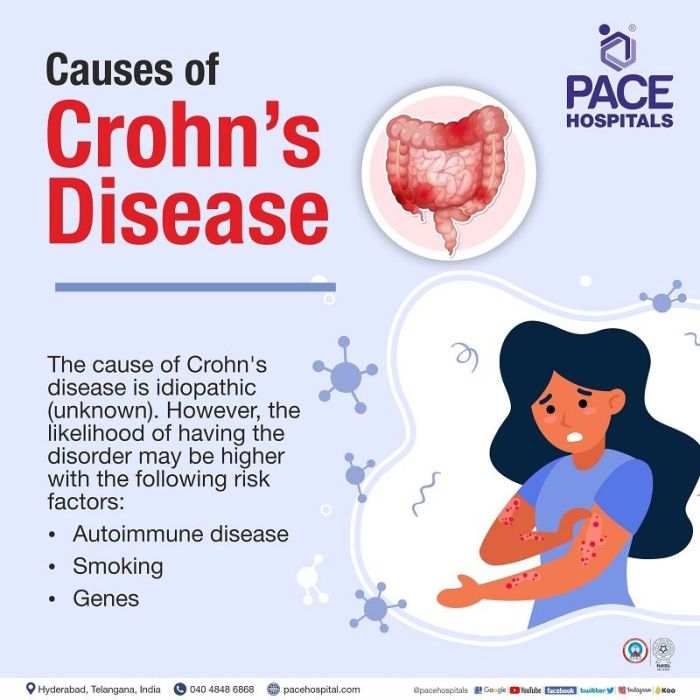
Crohn's disease is a chronic inflammatory condition of the digestive tract that can be influenced by various factors, including genetics, immune system dysfunction, and environmental triggers.
Genetics
Genetics play a significant role in predisposing individuals to Crohn's disease. Research suggests that certain genetic mutations can make a person more susceptible to developing the condition. For example, variations in the NOD2 gene have been linked to an increased risk of Crohn's disease.
Immune System Dysfunction
The immune system dysfunction is another key factor in the onset of Crohn's disease. In individuals with Crohn's disease, the immune system mistakenly attacks the healthy cells in the digestive tract, leading to inflammation. This abnormal immune response contributes to the symptoms and progression of the disease.
Environmental Triggers
In addition to genetic and immune factors, environmental triggers can also play a role in triggering Crohn's disease. Factors such as smoking, diet, stress, and exposure to certain bacteria or viruses have been associated with an increased risk of developing the condition.
For example, smoking has been identified as a significant environmental risk factor for Crohn's disease, as it can exacerbate inflammation in the digestive tract.
Symptoms of Crohn's Disease
Crohn's disease can manifest with a variety of symptoms that can vary in severity from person to person. It is essential to recognize these signs early to ensure timely management and treatment.
Common Symptoms
- Abdominal pain and cramping
- Diarrhea, sometimes bloody
- Weight loss
- Fatigue
- Fever
Varying Severity of Symptoms
The intensity of Crohn's disease symptoms can range from mild discomfort to severe complications that significantly impact daily life. It is crucial to monitor changes in symptoms and seek medical advice promptly.
Potential Complications
- Intestinal strictures
- Fistulas
- Malnutrition
- Colon cancer
Affected Parts of the Digestive Tract
Crohn's disease can affect any part of the digestive tract, from the mouth to the anus. The most commonly affected areas include the small intestine and the colon. In some cases, it can involve multiple segments of the digestive system simultaneously.
Diagnosis of Crohn's Disease
Diagnosing Crohn's disease involves a series of procedures and tests to confirm the presence of the condition. These diagnostic methods are crucial in determining the appropriate treatment plan for individuals affected by this chronic inflammatory bowel disease.
Importance of Medical History and Physical Examinations
Medical history and physical examinations play a vital role in diagnosing Crohn's disease. Healthcare providers gather information about the patient's symptoms, family history, and overall health to assess the likelihood of Crohn's disease. Physical examinations help identify any signs of inflammation or abnormalities in the abdomen, which can indicate the presence of the condition.
Imaging Tests and Laboratory Tests
Imaging tests, such as CT scans, MRIs, and endoscopy, are commonly used to visualize the gastrointestinal tract and detect any inflammation or damage caused by Crohn's disease. These tests provide detailed images that aid in the diagnosis and monitoring of the condition
Laboratory tests, including blood tests and stool samples, help evaluate inflammation levels, nutrient deficiencies, and other markers associated with Crohn's disease.
Differential Diagnoses for Crohn's Disease
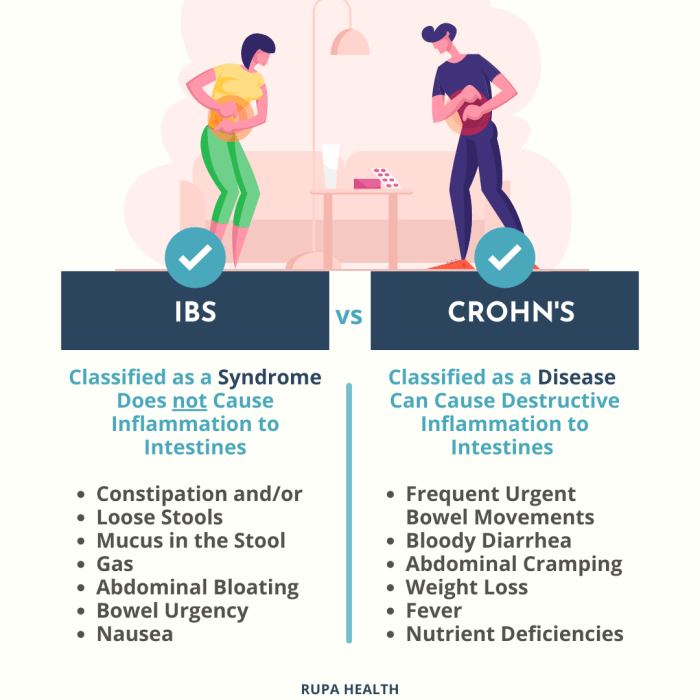
When diagnosing Crohn's disease, healthcare providers must consider other conditions that may present similar symptoms. Some examples of differential diagnoses for Crohn's disease include ulcerative colitis, irritable bowel syndrome (IBS), celiac disease, and gastrointestinal infections. Differential diagnoses help ensure an accurate diagnosis and appropriate treatment plan for individuals with gastrointestinal symptoms.
Treatment of Crohn's Disease
Crohn's disease is a chronic condition that requires lifelong management to control symptoms, prevent complications, and improve quality of life. The main goals of treatment for Crohn's disease are to reduce inflammation in the digestive tract, relieve symptoms such as abdominal pain and diarrhea, and maintain remission to prevent flare-ups.
Types of Medications for Managing Crohn's Disease Symptoms
There are several types of medications used to manage Crohn's disease symptoms:
- Anti-inflammatory drugs:such as 5-aminosalicylates and corticosteroids, help reduce inflammation in the digestive tract.
- Immunosuppressants:such as azathioprine and methotrexate, work to suppress the immune system's response and reduce inflammation.
- Biologic therapies:such as infliximab and adalimumab, target specific proteins in the body to reduce inflammation.
- Antibiotics:may be prescribed to treat bacterial overgrowth in the intestines.
Role of Surgery in Treating Complications of Crohn's Disease
Surgery may be necessary for complications of Crohn's disease that do not respond to medication or for patients with severe symptoms. Common surgical procedures for Crohn's disease include:
- Strictureplasty:to widen narrowed areas of the intestines.
- Bowel resection:to remove damaged portions of the intestines.
- Colostomy or ileostomy:in severe cases where a portion of the intestines needs to be diverted to an opening in the abdomen for waste removal.
Lifestyle Modifications for Managing Crohn's Disease
Along with medication and surgery, lifestyle modifications can play a crucial role in managing Crohn's disease:
- Dietary changes:Avoiding trigger foods, maintaining a nutrient-rich diet, and staying hydrated can help manage symptoms.
- Regular exercise:Physical activity can reduce inflammation, improve digestion, and boost overall well-being.
- Stress management:Techniques such as meditation, yoga, and therapy can help reduce stress levels, which may trigger flare-ups.
- Regular medical follow-ups:Monitoring symptoms and adjusting treatment plans with your healthcare provider is essential for long-term management of Crohn's disease.
Final Wrap-Up
In conclusion, understanding the causes of Crohn's Disease and the array of treatment options available is crucial for those affected by this condition. Stay informed, stay proactive, and prioritize your health above all else.
Questions Often Asked
What environmental factors can trigger Crohn's Disease?
Environmental factors like smoking, diet, and stress can potentially trigger Crohn's Disease in susceptible individuals.
What are the goals of treatment for Crohn's Disease?
The goals of treatment for Crohn's Disease include reducing inflammation, managing symptoms, preventing complications, and improving overall quality of life.
How can lifestyle modifications help in managing Crohn's Disease?
Lifestyle modifications such as adopting a healthy diet, managing stress, getting regular exercise, and avoiding triggers can significantly help in managing Crohn's Disease.




![10 Best Whole Life Insurance for Seniors [Top-Rated Companies]](https://medic.radarbanten.co.id/wp-content/uploads/2025/12/BestTermLifeInsuranceCompanies-final-b2106835adde47b1ac9cf2942968ad13-120x86.png)