
Dive into the realm of Global Trends in Chronic Disease Management where advancements in technology, patient-centric approaches, and global initiatives converge to shape the landscape of healthcare. This article unveils the dynamic shifts and challenges faced by healthcare systems worldwide, offering a comprehensive look at the evolving strategies in managing chronic diseases.
Overview of Chronic Disease Management Trends
Chronic disease management has seen significant evolution in recent years, driven by various global trends. One of the key factors shaping the landscape of chronic disease management is the rapid advancement of technology. The integration of digital health solutions, telemedicine, wearable devices, and health apps has revolutionized how healthcare providers monitor and treat chronic conditions.
These technological innovations have not only improved patient outcomes but also enhanced the efficiency of healthcare delivery.
Impact of Technology on Chronic Disease Management
Technology has enabled remote monitoring of patients, real-time data collection, personalized treatment plans, and virtual consultations. Patients can now track their health metrics, receive medication reminders, and access educational resources through digital platforms. Healthcare providers, on the other hand, can analyze large datasets to identify trends, predict disease progression, and tailor interventions based on individual needs.
The seamless integration of technology into chronic disease management has empowered both patients and healthcare professionals to make informed decisions and optimize care.
Key Challenges in Adapting to Changing Trends
Despite the benefits of technological advancements in chronic disease management, healthcare systems face several challenges in adapting to these changing trends. Data privacy concerns, interoperability issues, regulatory barriers, and disparities in access to digital health tools are some of the key challenges that need to be addressed.
Additionally, healthcare professionals need adequate training to effectively utilize technology and interpret the vast amount of data generated. Ensuring equitable access to technology and overcoming resistance to change within healthcare organizations are crucial steps in navigating the evolving landscape of chronic disease management.
Technology Advancements in Chronic Disease Management
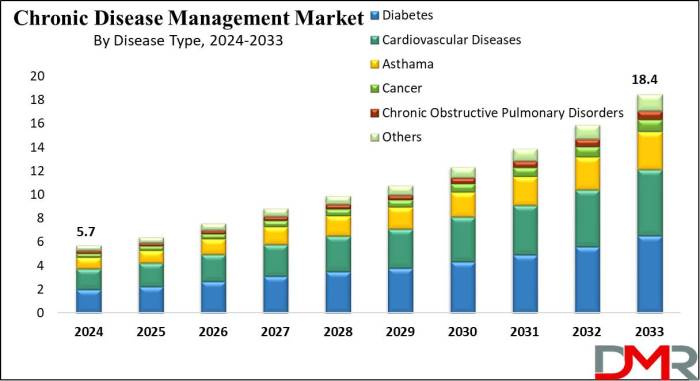
Telemedicine and digital health platforms have transformed the landscape of chronic disease management by providing remote access to healthcare services and continuous monitoring of patients. These advancements have made it easier for individuals with chronic conditions to receive timely care and manage their health effectively.
Effectiveness of Wearable Devices in Monitoring Chronic Conditions
Wearable devices such as smartwatches and fitness trackers have become increasingly popular for monitoring chronic conditions like heart disease, diabetes, and hypertension. These devices can track vital signs, activity levels, and even sleep patterns, providing valuable data to patients and healthcare providers.
While wearable devices offer convenience and real-time monitoring, their effectiveness in managing chronic conditions may vary depending on the accuracy of the data they collect and the user's adherence to utilizing the information for better health outcomes.
AI and Machine Learning Applications in Personalized Chronic Disease Management
Artificial Intelligence (AI) and machine learning technologies are revolutionizing personalized chronic disease management by analyzing vast amounts of patient data to predict disease progression, identify patterns, and recommend tailored treatment plans. For example, AI-powered algorithms can predict the risk of complications in patients with diabetes or help personalize medication regimens based on individual responses.
These applications not only enhance the efficiency of chronic disease management but also improve patient outcomes by providing personalized care and interventions.
Patient-Centric Approaches in Chronic Disease Management
Patient-centered care has emerged as a crucial focus in managing chronic diseases, shifting the healthcare paradigm towards prioritizing the individual needs and preferences of patients. This approach recognizes the importance of empowering patients to actively participate in their care and decision-making processes, ultimately leading to improved health outcomes.
Importance of Patient Education and Engagement
Patient education plays a vital role in chronic disease management, as it equips individuals with the knowledge and skills necessary to effectively manage their condition on a daily basis. By educating patients about their disease, treatment options, and lifestyle modifications, healthcare providers can empower them to make informed decisions and take control of their health.
Moreover, fostering patient engagement encourages active involvement in care planning, adherence to treatment regimens, and monitoring of progress, leading to better patient outcomes.
- Providing comprehensive information about the nature of the disease, its progression, and potential complications.
- Offering guidance on medication management, including dosages, side effects, and interactions.
- Emphasizing the importance of adopting healthy lifestyle behaviors, such as diet, exercise, and stress management.
Empowered patients are more likely to adhere to treatment plans, leading to better disease management and quality of life.
Integration of Shared Decision-Making Models
Shared decision-making involves collaborative discussions between healthcare providers and patients to determine the most suitable treatment approach based on the patient's preferences, values, and clinical evidence. This model acknowledges the unique needs and perspectives of individual patients, promoting personalized care plans that align with their goals and priorities.
- Encouraging open communication and active participation in treatment decisions.
- Considering patient preferences, values, and goals when developing care plans.
- Evaluating the risks and benefits of different treatment options in partnership with patients.
Global Initiatives and Policies for Chronic Disease Management
International organizations play a crucial role in promoting best practices for chronic disease management worldwide. These organizations work together to establish guidelines, share research findings, and advocate for policies that improve the prevention and treatment of chronic conditions.
Role of International Organizations
International organizations such as the World Health Organization (WHO) and the Centers for Disease Control and Prevention (CDC) collaborate with governments and healthcare institutions to develop and implement strategies for chronic disease management. They provide technical support, conduct research, and disseminate information to improve healthcare systems globally.
Successful Public Health Campaigns
Public health campaigns targeting chronic diseases have been successful in raising awareness, promoting healthy behaviors, and reducing risk factors on a global scale. For example, campaigns focused on tobacco control, healthy diet promotion, and physical activity have led to significant reductions in the prevalence of chronic conditions such as cardiovascular disease and diabetes.
Impact of Socioeconomic Factors
Socioeconomic factors have a profound impact on access to quality care for chronic conditions worldwide. Disparities in income, education, and healthcare infrastructure can limit the ability of individuals to manage their chronic diseases effectively. Addressing these social determinants of health is essential to ensure that all populations have equitable access to care and support for chronic conditions.
Wrap-Up
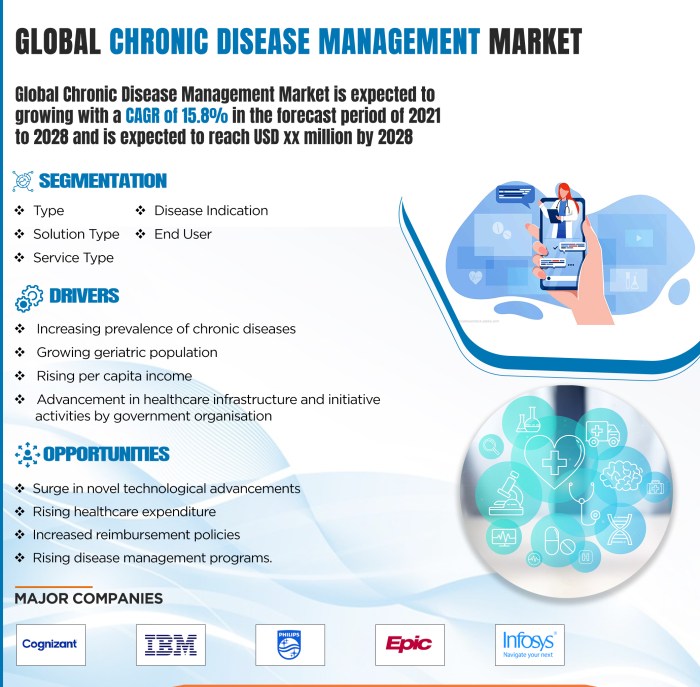
As we conclude this exploration of Global Trends in Chronic Disease Management, it becomes evident that the future of healthcare lies in a patient-centered, technology-driven approach with a global perspective. The interconnected nature of these trends highlights the importance of collaboration and innovation in addressing the complexities of chronic disease management on a global scale.
Essential FAQs
What are some key challenges faced by healthcare systems in adapting to changing trends in chronic disease management?
Healthcare systems often struggle with integrating new technologies, addressing disparities in access to care, and managing the increasing burden of chronic diseases on a global scale.
How are patient education and engagement important in improving outcomes related to chronic diseases?
Patient education and engagement empower individuals to take an active role in managing their health, leading to better adherence to treatment plans and improved overall outcomes.
What role do international organizations play in promoting best practices for chronic disease management?
International organizations provide guidelines, support research initiatives, and facilitate collaborations to promote effective strategies and policies for managing chronic diseases globally.






![10 Best Whole Life Insurance for Seniors [Top-Rated Companies]](https://medic.radarbanten.co.id/wp-content/uploads/2025/12/BestTermLifeInsuranceCompanies-final-b2106835adde47b1ac9cf2942968ad13-120x86.png)