
In the realm of healthcare, AI-driven tools have emerged as game-changers for managing Crohn's disease symptoms. With a focus on innovation and personalized care, these tools offer a new perspective on symptom monitoring and treatment strategies. Let's delve into the world of AI-driven solutions for individuals battling Crohn's disease.
Overview of Crohn's Disease
Crohn's disease is a chronic inflammatory condition that primarily affects the gastrointestinal tract. It can cause inflammation and damage to any part of the digestive system, from the mouth to the anus. This condition is characterized by periods of flare-ups and remission, leading to a range of symptoms that can significantly impact an individual's quality of life.
Common Symptoms of Crohn's Disease
- Abdominal pain and cramping
- Diarrhea
- Weight loss
- Fatigue
- Loss of appetite
- Bloody stools
Challenges Faced by Individuals Managing Crohn's Disease Symptoms
Crohn's disease presents several challenges for individuals trying to manage their symptoms effectively. These challenges include:
- Unpredictable flare-ups that can disrupt daily life and activities
- Dietary restrictions to manage symptoms, leading to potential nutrient deficiencies
- Mental health impact due to chronic nature of the disease and its symptoms
- Side effects of medications used to control inflammation and symptoms
- Regular monitoring and doctor visits to track disease progression and adjust treatment plans
Introduction to AI-Driven Tools
AI-driven tools have significantly impacted the healthcare industry by providing innovative solutions to complex medical challenges. These tools leverage artificial intelligence to analyze vast amounts of data, identify patterns, and generate insights to enhance patient care and outcomes.AI plays a crucial role in managing chronic conditions like Crohn's disease by offering personalized treatment plans, predicting disease progression, and optimizing medication regimens.
By analyzing a patient's medical history, genetic factors, lifestyle habits, and response to previous treatments, AI can tailor interventions to suit individual needs, leading to more effective management of symptoms and improved quality of life.The integration of AI technologies in healthcare is revolutionizing the way diseases are diagnosed, treated, and monitored.
From early detection of illnesses to remote patient monitoring and predictive analytics, AI-driven tools are transforming healthcare management by enabling faster, more accurate decision-making and delivering personalized care to patients.
AI-Driven Tools for Monitoring Symptoms
AI-driven tools play a crucial role in monitoring Crohn's disease symptoms by providing real-time data analysis and personalized insights for patients.
Comparison between Traditional and AI-Based Symptom Tracking
- Traditional methods often rely on manual tracking through journals or symptom diaries, which can be subjective and time-consuming.
- AI-based solutions utilize machine learning algorithms to analyze patterns and trends in symptom data, offering more accurate and objective insights.
- AI tools can also integrate data from various sources, such as wearable devices and electronic health records, for a comprehensive view of the patient's condition.
Enhanced Symptom Management with Real-Time Data Analysis
Real-time data analysis provided by AI-driven tools allows for:
- Early detection of symptom flare-ups or changes in disease activity.
- Personalized recommendations for treatment adjustments based on individual symptom patterns.
- Improved communication between patients and healthcare providers through data sharing and remote monitoring.
Personalized Treatment Plans
AI-driven tools play a crucial role in creating personalized treatment plans for individuals with Crohn's disease. By leveraging advanced algorithms and machine learning, these tools can analyze vast amounts of data to tailor treatment strategies to each patient's specific needs.
Benefits of Personalized Treatment Plans
- Improved Efficacy: Personalized treatment plans take into account individual factors such as disease severity, medication response, and lifestyle, leading to more effective management of Crohn's disease.
- Reduced Side Effects: By customizing treatment plans, AI-driven tools can help minimize the risk of adverse reactions and side effects, enhancing the overall quality of life for patients.
- Enhanced Patient Engagement: Tailored treatment strategies empower patients to take an active role in their healthcare journey, fostering better communication and collaboration between patients and healthcare providers.
AI Algorithms for Optimizing Treatment Strategies
AI algorithms used to optimize treatment strategies for Crohn's disease include:
- Decision Trees: These algorithms analyze patient data to predict the most suitable treatment options based on specific criteria, such as symptoms, age, and medical history.
- Reinforcement Learning: By continuously learning from patient outcomes, reinforcement learning algorithms can adjust treatment plans in real-time to achieve the best results.
- Natural Language Processing (NLP): NLP algorithms can extract valuable insights from clinical notes and patient records, enabling healthcare providers to personalize treatment plans based on comprehensive data analysis.
Predictive Analytics for Disease Management
AI-driven predictive analytics play a crucial role in enhancing disease management for individuals with Crohn's disease. By leveraging advanced algorithms and machine learning techniques, these tools can provide valuable insights into predicting disease progression and flare-ups, ultimately leading to more effective symptom management and personalized treatment plans.
Role of Machine Learning in Predicting Disease Progression and Flare-ups
Machine learning algorithms analyze vast amounts of patient data, including symptoms, treatment history, lifestyle factors, and environmental influences, to identify patterns and trends that may indicate an increased risk of disease progression or flare-ups. By continuously learning from new data inputs, these algorithms can refine their predictions over time, improving the accuracy of identifying potential disease developments.
Potential Impact of Predictive Analytics on Proactive Symptom Management
One of the significant benefits of predictive analytics is the ability to enable proactive symptom management. By predicting when a patient is likely to experience a flare-up or worsening of symptoms, healthcare providers can intervene early with targeted interventions, such as medication adjustments or lifestyle modifications, to prevent or minimize the impact of the exacerbation.
This proactive approach can lead to better disease control, improved quality of life, and reduced healthcare costs associated with emergency interventions or hospitalizations.
Enhancing Patient-Provider Communication
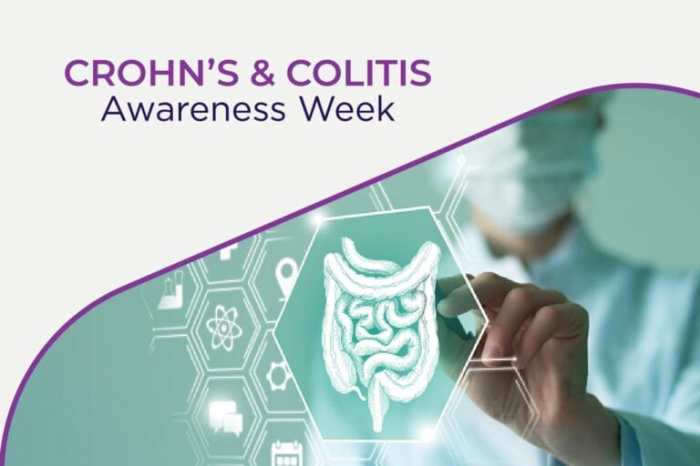
AI tools play a crucial role in enhancing communication between patients and healthcare providers when managing Crohn's disease. These tools offer a range of benefits that streamline communication and improve patient engagement in their treatment plans.
Facilitating Communication
AI-driven tools facilitate quick and efficient communication between patients and healthcare providers. For instance, chatbots can provide patients with immediate responses to their queries, offer reminders for medication intake, and even schedule appointments with healthcare providers. These tools ensure that patients have access to support and information whenever they need it, ultimately leading to better disease management.
Benefits of Streamlined Communication
Streamlined communication through AI platforms leads to improved patient outcomes. Patients can easily report their symptoms, receive personalized feedback, and track their progress in real-time. Healthcare providers, on the other hand, can monitor patients remotely, adjust treatment plans accordingly, and provide timely interventions when needed.
This seamless flow of information fosters a collaborative approach to managing Crohn's disease, resulting in better overall care for patients.
Examples of AI Technologies
AI technologies such as remote monitoring devices and mobile applications have revolutionized patient engagement in treatment plans. These tools allow patients to input their symptoms, track their diet and exercise routines, and receive personalized recommendations for managing their condition. By empowering patients to take an active role in their healthcare, AI technologies promote adherence to treatment plans and ultimately improve health outcomes for individuals living with Crohn's disease.
Conclusive Thoughts
As we wrap up our discussion on AI-Driven Tools for Managing Crohn's Symptoms, it's clear that the future of healthcare lies in the hands of technological advancements. From personalized treatment plans to predictive analytics, AI is paving the way for more efficient and effective management of chronic conditions like Crohn's disease.
Embrace the possibilities that AI brings to the table, and let's continue to explore the endless opportunities for enhancing patient care through innovation.
FAQ Compilation
How can AI-driven tools improve symptom monitoring for individuals with Crohn's disease?
AI-driven tools offer real-time data analysis and personalized insights, allowing for more accurate and efficient symptom monitoring compared to traditional methods.
What role does machine learning play in predicting disease progression for Crohn's patients?
Machine learning algorithms can analyze vast amounts of data to predict disease progression and flare-ups, enabling proactive management strategies for patients.
How do AI tools enhance communication between patients and healthcare providers in managing Crohn's disease?
AI platforms streamline communication processes, ensuring better engagement and coordination between patients and healthcare providers for effective disease management.






![10 Best Whole Life Insurance for Seniors [Top-Rated Companies]](https://medic.radarbanten.co.id/wp-content/uploads/2025/12/BestTermLifeInsuranceCompanies-final-b2106835adde47b1ac9cf2942968ad13-120x86.png)